
19 mins read
The Society of the Irish Motor Industry (SIMI) has published its official new vehicle registration statistics for 2025, providing valuable insights into trends across Ireland’s automotive market.
The latest 2025 vehicle registration figures paint a positive picture for the Irish motor market – particularly for electrification and commercial fleets. As fleet managers across Ireland plan next year’s vehicle budgets and replacement cycles, the data highlights shifting priorities and growing confidence in electric vehicle (EV) adoption.
Here are some key figures from the 2025 Report, with increases seen across the board.
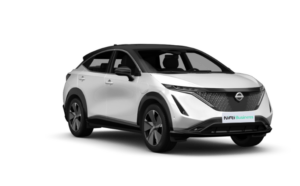
(+3%)
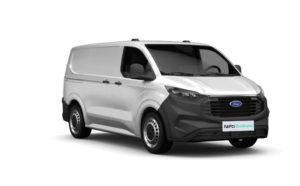
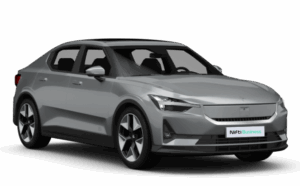
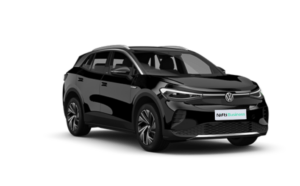
Read the full SIMI report here.
EV Sales Growth
The strong rise in EV registrations reflects a growing maturity in the Irish EV market. Many organisations have moved beyond trial phases and pilot programmes, and are now integrating electric vehicles into their core fleet strategies.
As demand for electric models increases, vehicle availability is improving, residual values are becoming more predictable, and manufacturers are expanding their EV line-ups across both passenger and commercial segments, as we saw with our Top EV’s to watch for in 2026 article. This makes long-term leasing of electric vehicles more commercially viable than ever before.
From a fleet operations perspective, the focus has also shifted. Instead of asking whether EVs can work for business use, fleet managers are now evaluating where and how quickly they can be deployed to deliver cost savings, sustainability gains and operational efficiencies.
Why the renewed confidence in EVs matters
The rebound in EV sales in 2025 comes after a period of slower growth the previous year, when charging infrastructure, vehicle availability and total cost of ownership were the main causes of concern for fleet managers. The current figures suggest that many of those concerns are now being addressed.
For fleet managers, renewed confidence in EVs brings several tangible benefits. With lower fuel and maintenance requirements, electric vehicles are now offering stronger total cost of ownership within structured, predictable leasing models. Charging infrastructure continues to improve, both in the public network and through workplace charging solutions, reducing operational barriers. At the same time, businesses face increasing pressure to meet sustainability commitments and prepare for future regulatory requirements, making fleet electrification a practical route to reducing emissions.
Together, these factors indicate that EV adoption is no longer being driven solely by environmental goals, but by strong commercial logic as well.
Deep Dive: Explore Our Fleet Electrification Series
At NiftiBusiness, we have been closely tracking the evolution of electric fleets in Ireland and supporting businesses through every stage of the transition. Our dedicated Fleet Electrification content series explores the real-world challenges, opportunities and strategic considerations facing fleet managers today.
- Range & Charging: Will an EV physically go the distance for me?
- SEAI’s EV trial reduces uncertainty around EVs for Fleet
- How quickly will today’s EV batteries degrade?
- The top EVs to watch out for in 2026
Conclusion: A turning point for Irish Fleets
The 2025 vehicle registration figures make one thing clear: electric vehicles are no longer a future consideration – they are firmly embedded in today’s fleet strategies. With EV sales growing at more than ten times the rate of the wider market, the transition to electric is accelerating across both passenger and commercial fleets.
For fleet managers, this represents an opportunity to rethink vehicle procurement, cost management and sustainability planning. As confidence in EV technology continues to strengthen, businesses that act early will be best positioned to benefit from lower operating costs, improved environmental performance and a more future-ready fleet.